Updated November 2026. English Cocker Spaniel Guide is an independent site, not affiliated with any breed club or kennel club. Some links are affiliate links: as an Amazon Associate we earn from qualifying purchases.
Yes, cocker spaniels shed. English Cocker Spaniels are not one of the heaviest-shedding breeds, but they are not low-shedding either. VCA Animal Hospitals rates the breed’s shedding as average, while its grooming needs are high. In practice, that means you’ll find some hair on the sofa and your clothes all year, with more during seasonal coat changes, and a lot of the loose hair will tangle into the coat as mats if you don’t brush regularly.
This guide explains how much English cockers shed and why, how shedding differs between show and working types, how to keep loose hair under control with a simple routine, and the tools that make it easier. It’s general information, not veterinary advice; if your dog’s shedding changes suddenly, see your vet.
How much do English Cocker Spaniels shed?
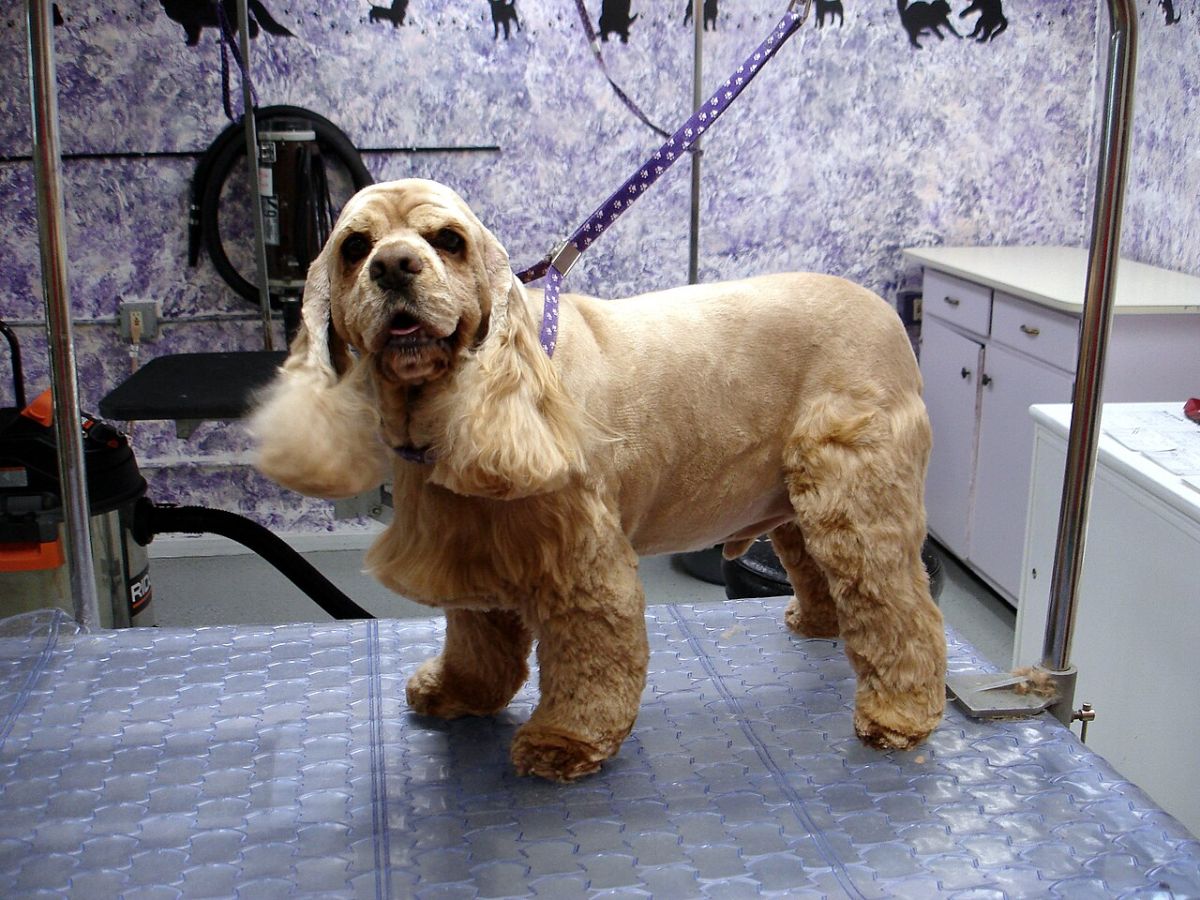
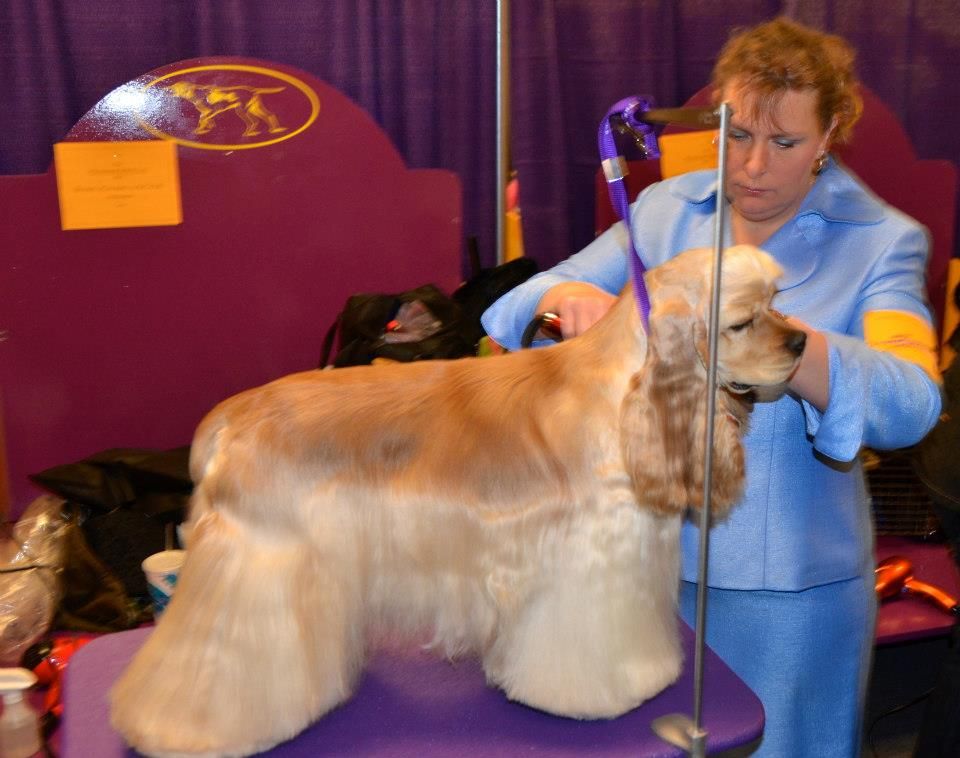
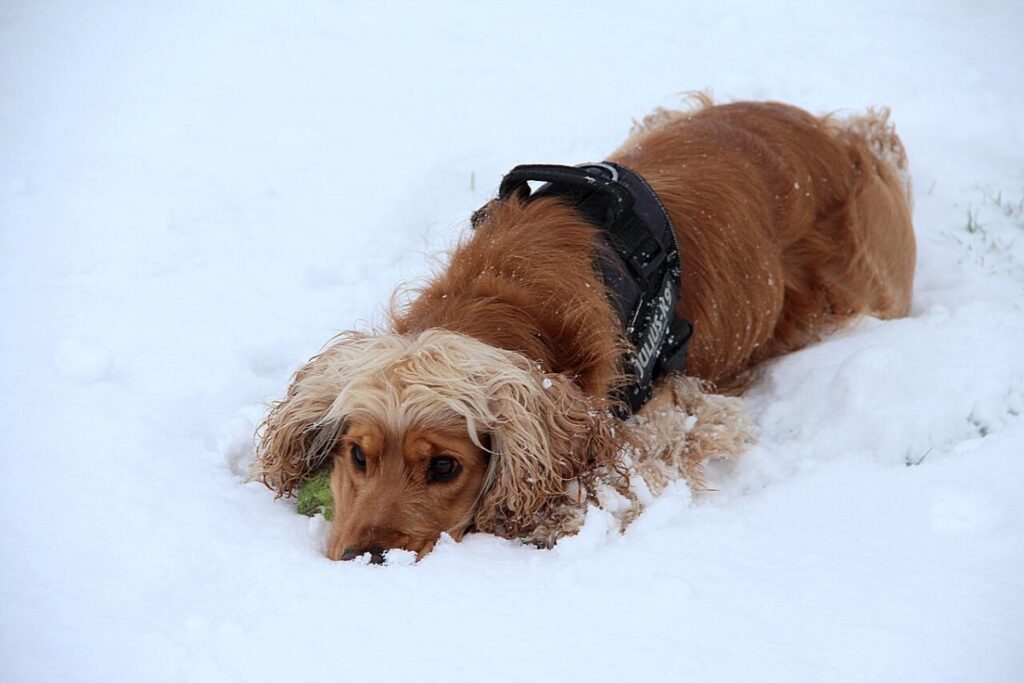
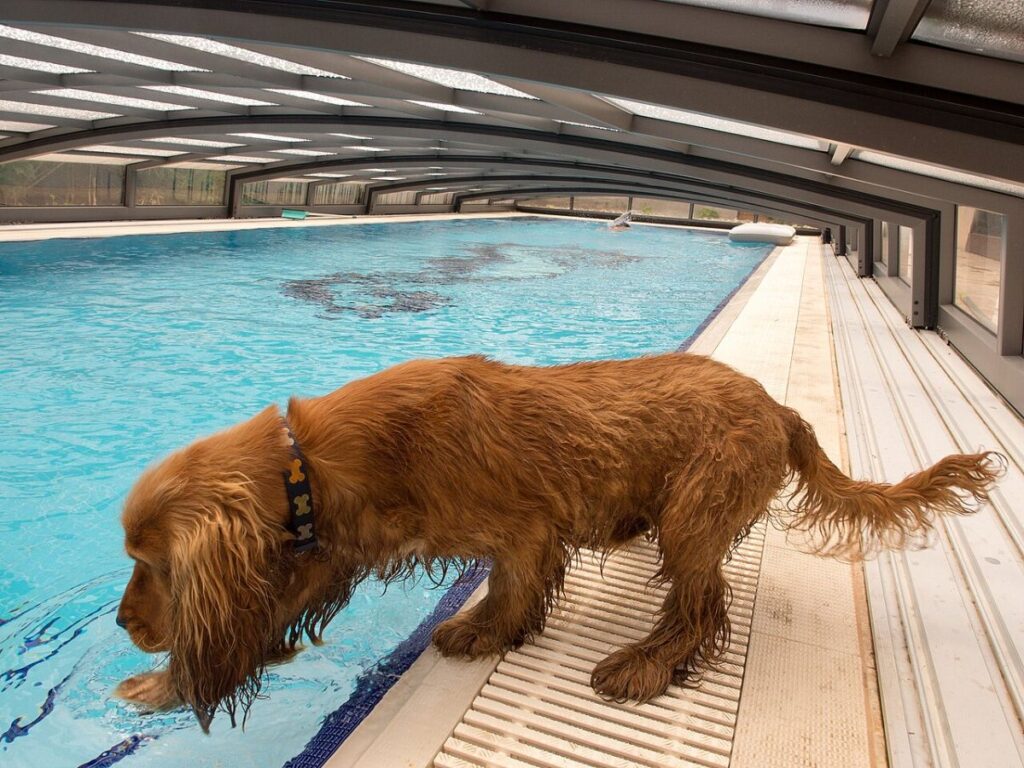
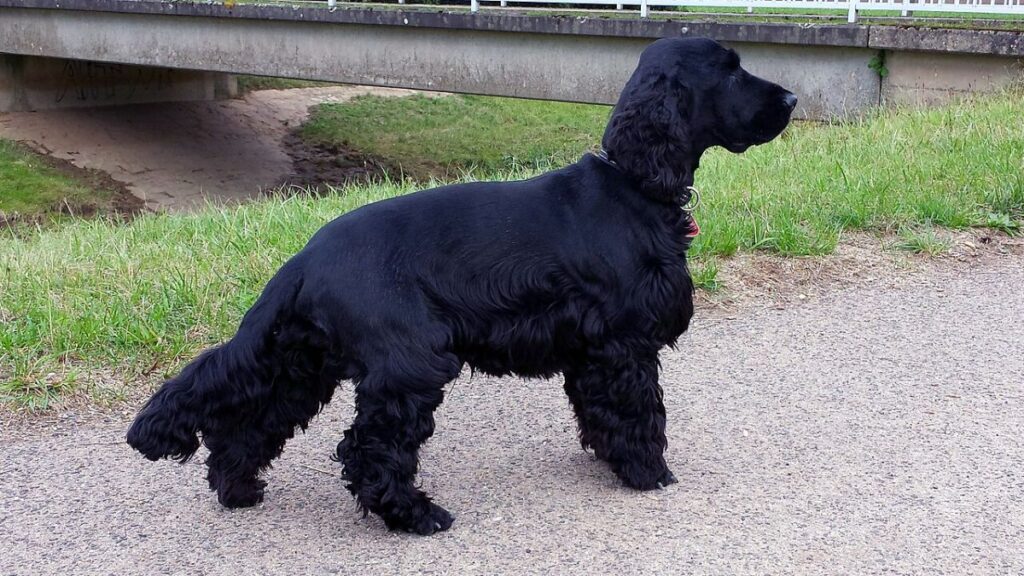
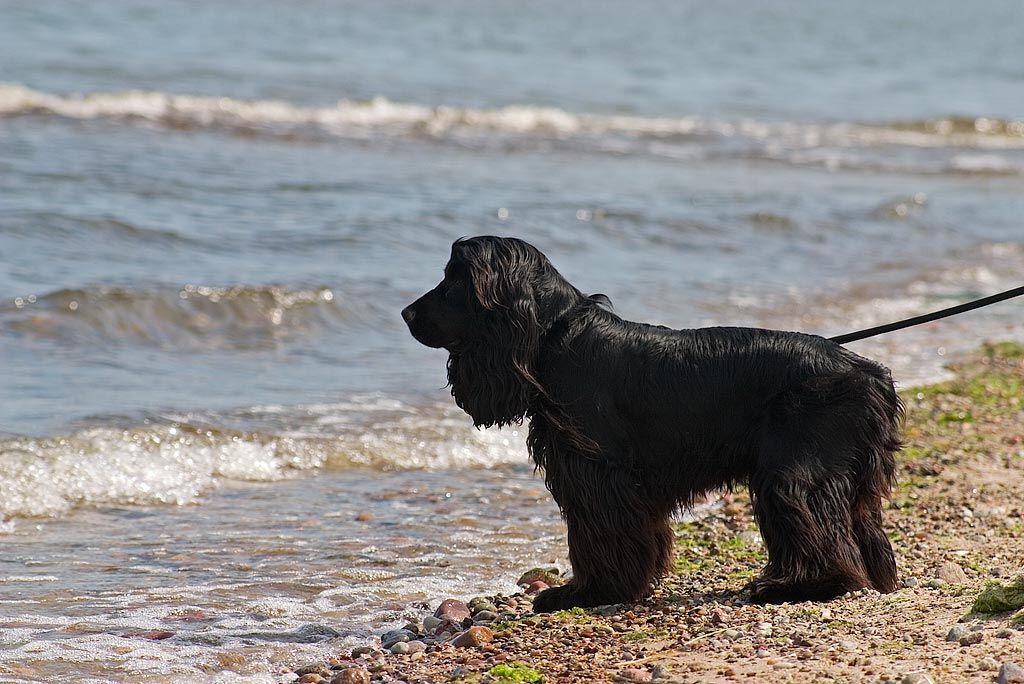
The English cocker has a medium-length, silky coat that VCA describes as “fairly long” and either flat or wavy, with feathering on the ears, chest, belly and legs. Like most breeds with a double-layered coat, cockers lose hair continuously in small amounts, with heavier periods typically in spring and autumn as the coat adjusts to the season.
The breed’s long coat has a catch: rather than falling out, loose hair often gets caught in the feathering. That’s why owners of unbrushed cockers sometimes think their dog “doesn’t shed” until they find mats behind the ears and in the armpits. Regular brushing removes that trapped hair before it matts.
Show vs working cockers
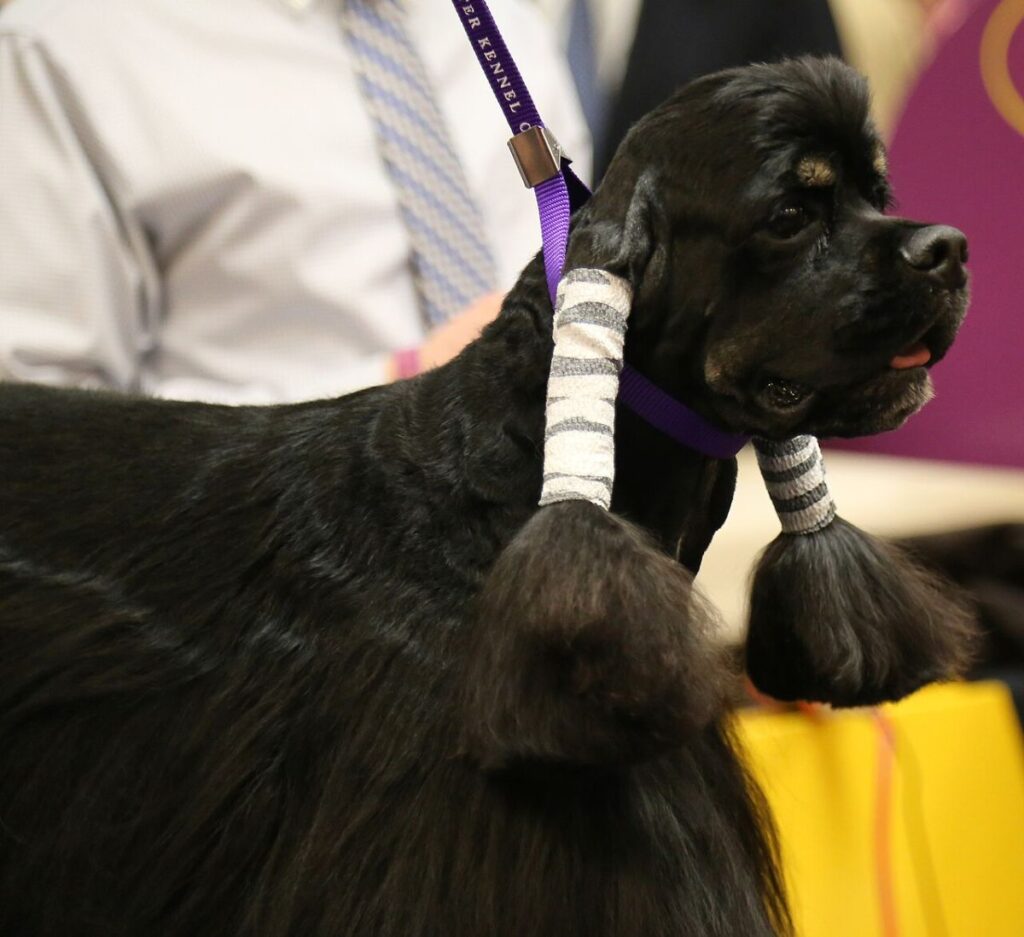
Show-bred English cockers usually carry more coat and heavier feathering than working-bred dogs, so there’s more hair to manage and more chance of mats. Working cockers tend to have shorter, finer coats that are easier to keep, though they shed too. See our guide to show vs working cockers for other differences.
Are cocker spaniels hypoallergenic?
No. No dog breed is truly hypoallergenic, and cockers shed enough hair and dander to bother people with dog allergies. If someone in your home is allergic, spend time with cockers before committing, and talk to an allergist.
What affects how much your cocker sheds
- Season. More shedding in spring and autumn.
- Coat type. Heavier show coats hold more loose hair.
- Neutering. Many owners notice that a cocker’s coat becomes thicker, softer or more woolly after neutering, which can make it tangle more easily. Ask your vet or groomer if your dog’s coat changes.
- Diet. A complete, balanced diet supports skin and coat health. See feeding an English Cocker Spaniel.
- Health. Skin allergies, parasites such as fleas, hormonal conditions and stress can all cause excessive shedding, bald patches or itchy skin.
A simple routine to control shedding
VCA recommends brushing and combing an English cocker two to three times a week to prevent mats. A routine like this keeps loose hair off your furniture too:
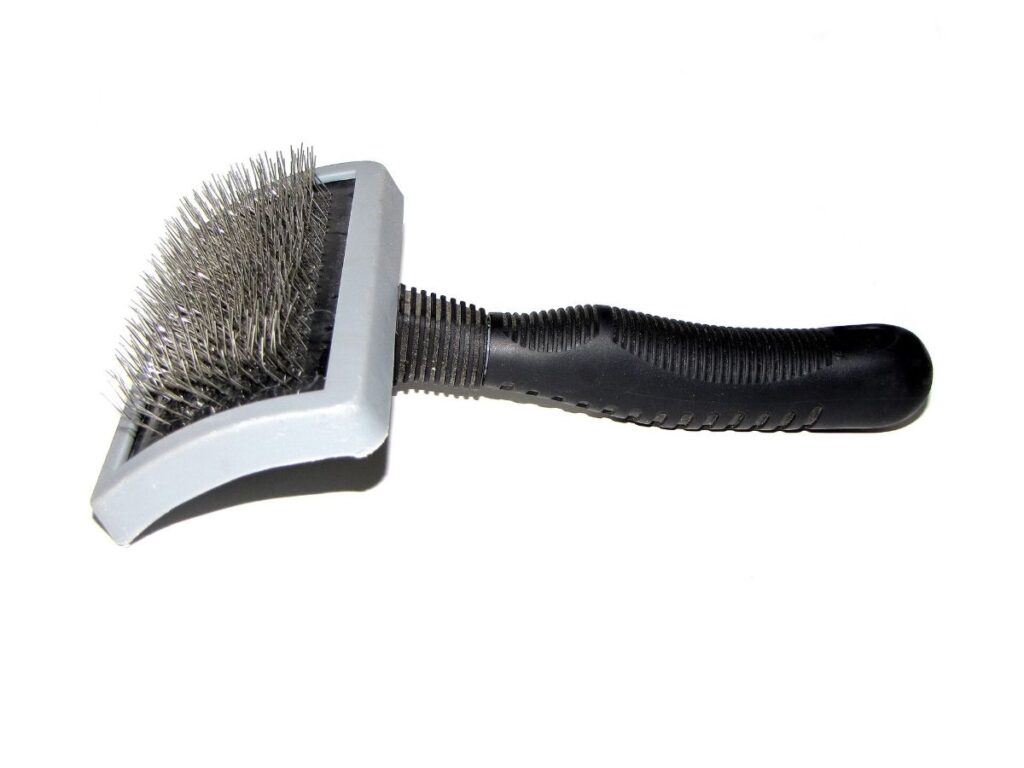
- Slicker brush. Brush the whole coat in layers with a slicker brush, working in the direction of growth. Be gentle: slicker pins can scratch skin if you press hard. Our pick is the self-cleaning Pecute slicker brush.
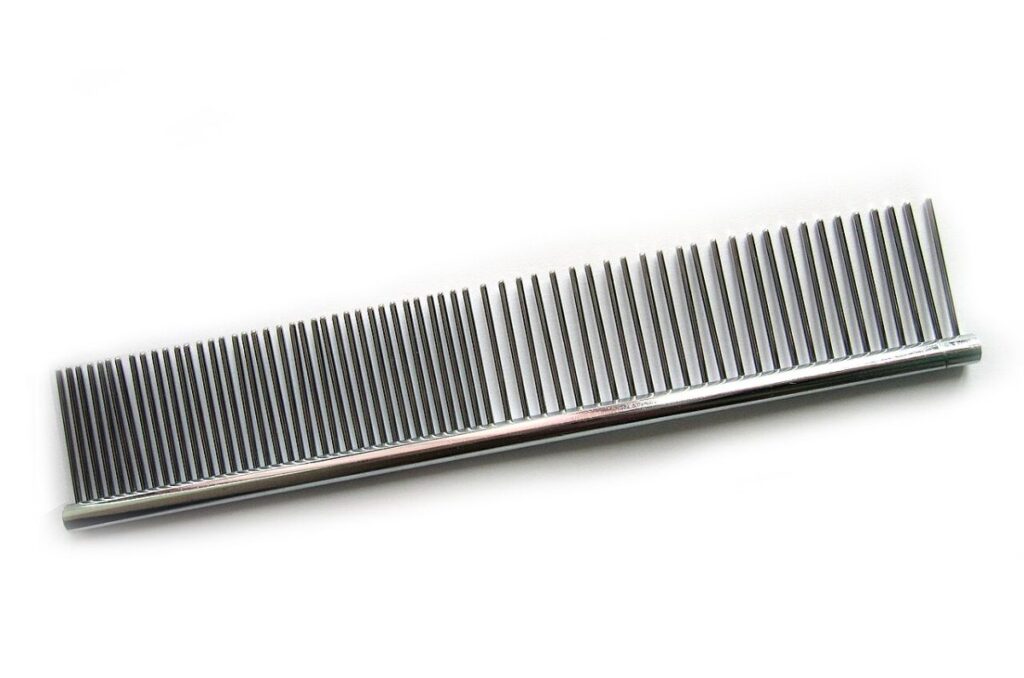
- Metal comb. Follow with a metal comb, paying attention to behind the ears, under the collar, the armpits and the feathering on the legs and belly. If the comb snags, you’ve found a tangle the brush missed. A stainless steel grooming comb with fine and wide teeth is ideal.
- Check ears and feet. While you’re there, look inside the ears and between the toes. Cocker ears need regular care; see our ear care guide.
- Bath when needed. A bath with a dog shampoo, followed by thorough drying and brushing, loosens a lot of dead coat during seasonal sheds. See our picks for the best dog shampoo for spaniels.
- Regular trims. VCA suggests clipping head and ear hair about every month and the feet and tail about every two months. Keeping the feathering tidy reduces the hair that collects mud, burrs and mats.
For a full grooming walkthrough, read our English Cocker Spaniel grooming guide and our roundup of the best brushes for cocker spaniels.
Tools to manage shedding
| Tool | What it does | Our pick | |
|---|---|---|---|
| Slicker brush | Removes loose undercoat and tangles | [[B0C1RQ67PW | Pecute self-cleaning slicker brush]] |
| Metal comb | Finds and removes tangles, finishes the coat | [[B083M85SQ2 | Stainless steel grooming comb]] |
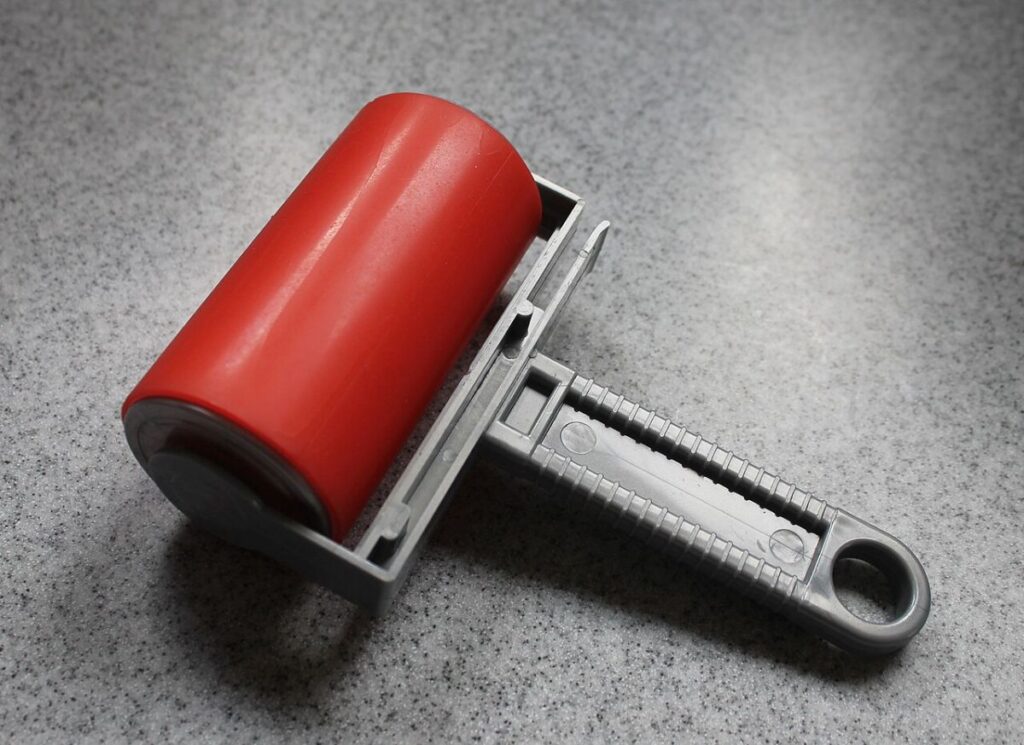
| Reusable hair roller | Removes hair from sofas, beds and car seats | [[B00BAGTNAQ | ChomChom Roller]] |
| Cordless hand vacuum | Quick clean-ups of hair on floors and furniture | [[B0HGNPCTXF | BISSELL PowerClean cordless hand vacuum]] |
A note on deshedding tools
Blade-style deshedding tools are designed mainly for short or double coats. On a cocker’s silky feathering they can cut or thin the coat, so most cocker owners stick to a slicker brush and comb. If you want to try one, use it lightly on the body only and ask your groomer first.
Keeping hair off your home
- A reusable roller like the ChomChom picks up dog hair from sofas and bedding without sticky refills.
- A cordless hand vacuum such as the BISSELL PowerClean is handy for car seats and dog beds.
- Washable throws on the sofa and a dog bed with a removable cover make laundry easier. See our best dog beds for cocker spaniels.
- A car seat cover keeps hair and mud out of the car.
- Brush outdoors when you can, so loose hair blows away instead of settling indoors.
When shedding could be a health problem
Normal shedding is gradual and even. See your vet if you notice:
- Bald patches or thinning areas
- Red, flaky, greasy or smelly skin
- Constant scratching, licking or chewing
- Scabs, sores or lumps
- A dull, dry coat along with weight change, lethargy or other changes in behaviour
- A sudden increase in shedding that doesn’t match the season
Your vet can check for parasites, allergies, infections and other conditions, and advise on diet and treatment.
Frequently asked questions
Do English cocker spaniels shed a lot?
A moderate amount. They shed all year with heavier seasonal sheds, and their long coat traps much of the loose hair, so brushing is essential.
Do cocker spaniels shed more than other spaniels?
Shedding varies more between individual dogs and coat types than between spaniel breeds. Heavily coated show-type dogs usually need more grooming than working types.
Does clipping a cocker reduce shedding?
Clipping doesn’t stop shedding, but shorter hair is easier to brush and leaves shorter hairs around the house.
How often should I brush my English cocker?
VCA recommends brushing and combing two to three times a week. Many owners do a quick daily brush during seasonal sheds.
Are cocker spaniels good for allergy sufferers?
Usually not. They shed and produce dander like other dogs. No breed is truly hypoallergenic.
Related guides
- English Cocker Spaniel grooming guide
- Best brushes for cocker spaniels
- Best dog clippers for spaniels
- Best dog shampoo for spaniels
Sources
- VCA Animal Hospitals: English Cocker Spaniel
- Product details from manufacturers’ listings on Amazon.ca, November 2026
Featured photo: Akumiszcza (assumed), via Wikimedia Commons, CC BY 3.0